In Illinois, withdrawal management is short-term support in a recovery setting to help people through alcohol and drug withdrawal symptoms. A doctor may suggest an individual with a substance use disorder enroll in a program that includes medically managed withdrawal services (detox) to safely manage the physical effects of alcohol or other drugs coming out of their system.
Alcohol detox refers to the process of clearing the body of alcohol and managing any symptoms of withdrawal that may occur during this time. Alcohol detox does not cure addiction. It only manages withdrawal symptoms. When someone completes medical detox, they still have alcohol use disorder.
What Alcohol Detox Is
In Illinois, withdrawal management is short-term care delivered at an ASAM level 3.2 or 3.7.
Alcohol detox manages acute withdrawal when someone stops drinking. This process involves medically supervised withdrawal and medication management to reduce uncomfortable symptoms. It is important that the person who has stopped drinking gets treatment in a setting with appropriate medical monitoring. The detox process takes several days and can vary from person to person depending on their history of use.
Most people experience some level of discomfort during the alcohol detoxification process, and it is not uncommon for some individuals to experience physical effects that may be severe or even life-threatening.
The duration and severity of the symptoms depend on many factors including how long you have been drinking and how much.
Alcohol detox should be completed under medical supervision to reduce the risk of complications from withdrawal. This can involve medication management or inpatient care, depending on how severe your withdrawal symptoms are.
Alcohol Withdrawal Symptoms
Common alcohol withdrawal symptoms include anxiety, headache, nausea and vomiting, sweating, increased heart rate, insomnia, hand tremors, confusion, agitation, and irritability. Other symptoms can be more severe, such as hallucinations, seizures, or delirium tremens (delirium).
Alcohol withdrawal syndrome is a set of symptoms that can occur when you reduce your alcohol consumption after heavy drinking. If you're used to drinking every day, the body can become dependent on it.
Nightmares, mood swings, and fatigue often develop early in withdrawal. They may also come and go throughout the process.
The symptoms of alcohol withdrawal usually appear within eight hours of your last drink. They may peak after 24 to 72 hours and go on for weeks.
Some people also have difficulty sleeping, nausea or vomiting, headaches, and trembling hands.
Other alcohol withdrawal signs and symptoms may include:
Jumpiness or shakiness
Depression
Loss of appetite
Clammy skin
Enlarged pupils
Pallor
Not thinking clearly
Most people who are going through alcohol withdrawal feel irritable, anxious, and tired, but others experience more serious symptoms.
People can die from delirium tremens.
These symptoms are common among heavy drinkers or those who have been consuming large quantities of alcohol for a prolonged period of time.
Why Alcohol Withdrawal Can Be Dangerous
A person who has had alcohol withdrawal may still have symptoms for some time after stopping drinking. These include:
Mood changes
Trouble sleeping
Fatigue
Call your provider or go to an emergency room if hallucinations or seizures occur.
In some cases, these symptoms can be life-threatening.
The severity of your alcohol withdrawal will depend on a number of factors including:
How long you've been drinking
How often you drink
The amount you drink in one sitting
If you have other medical conditions or mental health disorders
Go to the emergency room for seizures, fever, severe confusion, hallucinations, or irregular heartbeats. These symptoms can quickly become life-threatening.
Alcohol withdrawal can be dangerous and may require emergency treatment.
Delirium tremens is serious and can be life-threatening.
A person who drinks too much alcohol for too long is more likely to have severe symptoms of alcohol withdrawal.
If a person with an alcohol use disorder stops drinking suddenly, he or she may experience delirium tremens.
This is the most serious type of alcohol withdrawal syndrome.
Medically Supervised Detox vs Outpatient Withdrawal Management
Medically supervised detox differs from outpatient withdrawal management primarily by the level of monitoring, support and medical intervention available to a patient.
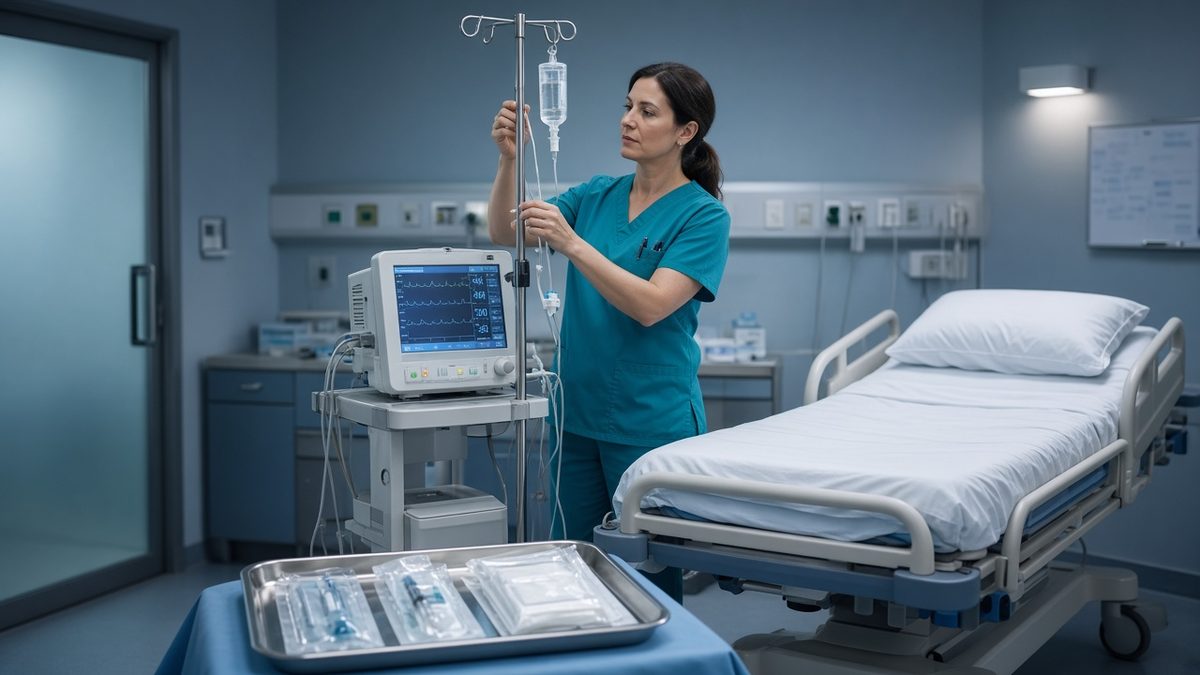
Medically supervised detox involves 24-hour medical monitoring by trained doctors and nurses, usually in an inpatient facility. The staff will monitor your blood pressure, heart rate, body temperature, and other vital signs throughout the treatment process. They may also give you intravenous fluids or sedatives to help with withdrawal symptoms.
Outpatient withdrawal management refers to detox treatment in which the client resides elsewhere (such as at home) but attends regular check-ins at a medical facility during the first few days of detoxification to ensure his or her safety and well-being.
Patients who are at moderate risk for complications during the detoxification process may be safely managed on an outpatient basis. The level of monitoring and supervision required by patients with severe withdrawal symptoms cannot usually be provided in an outpatient setting. Medically supervised detoxification programs can provide the appropriate level of care needed by these patients.
It should be noted that some individuals who are not medically stable will require a short stay in a hospital or residential treatment program to undergo withdrawal management, and then transition to an intensive outpatient program once stabilized.
How Long Alcohol Detox Takes
Symptoms such as sleep changes and fatigue are normal after any person stops drinking alcohol. It is common for people to continue having these symptoms long after withdrawal has passed, however, this does not mean that they are still experiencing the effects of withdrawal.
The amount of time it takes a person to recover from withdrawal depends on many factors:
The amount and duration of drinking
If there are other medical or mental health problems
If the person drinks again during recovery
For most people, withdrawal symptoms peak at 24-72 hours after their last drink. Most people who experience alcohol withdrawal make a full recovery.
Detoxing at home can be challenging because of potential complications.
Medications Used During Alcohol Withdrawal
Sedatives used during alcohol withdrawal help ease many symptoms of physical dependence on alcohol, such as anxiety, insomnia, nausea, sweating, trembling, rapid heartbeat, and vomiting.
Outpatient withdrawal management may use gabapentin to ease withdrawal symptoms.
After withdrawal ends, naltrexone acamprosate and disulfiram are examples of medications that may be prescribed to help you stop or reduce alcohol use. Your provider will determine which medication is best for your situation.
These medications may be prescribed as part of an aftercare plan. They can help people abstain from drinking or avoid relapse.
Moving From Detox Into Treatment
Detoxification alone is rarely enough for most individuals. This is because detoxification without other treatments doesn't change the underlying causes of alcoholism and addiction.
After withdrawal is managed, continuing treatment usually follows. People who have been dependent on alcohol need support as they continue to abstain from drinking alcohol.
In addition, after detoxification, many people attend Alcoholics Anonymous (AA) or other types of mutual support groups. These groups help some people achieve lasting abstinence by offering fellowship and social support for sobriety from alcohol.
If you or someone you love has just completed an alcohol detox program, the next step should be enrollment in an effective treatment program. For some people, this could mean starting inpatient residential or day treatment to get stabilized. Others may be able to transition to intensive outpatient care right away.
You also need to make sure that there is support available at home when you leave treatment for ongoing recovery. This can include family, friends, and mutual help groups.
Alcoholics Anonymous and other mutual support groups may provide some social support and help you to practice what you have learned in formal therapy programs. However, a mutual help group cannot take the place of formal treatment programs.
Treatment programs should incorporate behavioral therapies as well as medications when appropriate.
Finding Withdrawal Management in Illinois
Illinois Helpline specialists connect people seeking alcohol detox to services available throughout the state. Specialists will work with callers to assess their needs and identify appropriate treatment services.
These services are offered through licensed substance use disorder treatment facilities.
DBHR licensed organizations assess people seeking withdrawal management services for medical and psychiatric conditions that may be complicating alcohol detox. Withdrawal management is the clinical treatment of withdrawal from alcohol and other substances. Withdrawal management is not the same as inpatient treatment for substance use disorders, although some patients will move into other levels of care after completing withdrawal management.
Withdrawal management sits among Illinois licensed substance use disorder services.
Withdrawal management can be provided in residential or non-residential settings, depending upon patient needs and available resources.
The Illinois Helpline can connect individuals with services across all levels of care, including withdrawal management and medication-assisted recovery.
The IL Helpline serves as a resource for individuals with questions about substances, problem gambling, and their impact on families and communities throughout Illinois.
Care coordinators can help callers determine their best treatment options.