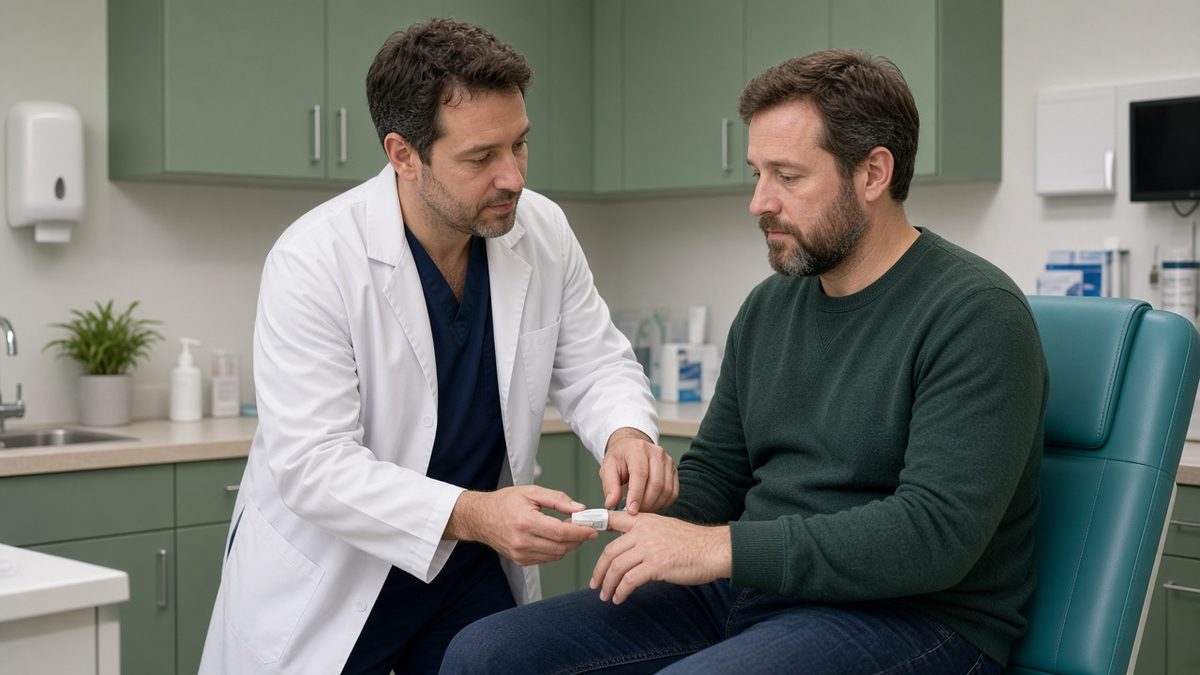
Depending on their particular situation, people may attend treatment at a hospital, clinic or residential facility. The treatment program will have an initial assessment to determine if there are any underlying health problems that need to be addressed and if so, what kind of care should follow.
The First Call and Intake
Many people start with a Helpline specialist who explains the process and begins to determine if they are in need of treatment for themselves or a loved one.
At the treatment program, intake often includes questions about your background, how long you've been abusing drugs or alcohol, any previous attempts at getting clean, whether you have ever received therapy or other treatment services, what led you to seek help this time, etc. You'll be asked about your medical history, including family history and any mental health concerns.
Paperwork and consent forms are often completed during an individual's initial visit to the treatment provider or facility.
You may also meet with a therapist for the first time at intake. The therapist may ask some general questions and use an assessment tool to determine how severe your addiction is, as well as whether you have co-occurring disorders (mental illness in addition to drug or alcohol problems).
The therapist will often help you create a treatment plan that lists specific goals you want to achieve while in rehab. This is not just something that the therapist makes up for you; this plan is a joint effort with you.
The Helpline specialist is available to assist in arranging the appropriate care for the person seeking services.
Assessment and Treatment Planning
Everyone seeking treatment receives an initial assessment to determine their unique needs. The assessment process begins by the patient providing information about themselves in a confidential manner. This will be reviewed and discussed with an individual, usually a licensed clinician who specializes in SUD treatment, or other qualified staff member.
The assessment looks at many areas of a person's life including:
Drinking and drug use patterns
Current and past medical history and physical problems (including current psychiatric diagnosis)
Social support system
Employment and educational status
Family history of alcohol and/or other substance use disorders
Past treatment for alcohol and other substance use disorders
From this information, a person-centered treatment plan is developed. The patient will have the opportunity to review their plan and provide feedback before it is finalized.
The assessment can help identify strengths as well as problems in an individual's life. During treatment, these strengths are identified, highlighted and incorporated into a person's recovery process. These strengths are used by clinicians as they work with patients to develop goals that will assist the patient in reaching their potential for a healthy lifestyle. Goals are created and worked on throughout a patient's time in treatment.
ASAM criteria help place a person after assessment based on the extent of the addiction and need for treatment.
Detox, If Needed
Withdrawal management is short-term clinical support when a patient is in the process of detoxing from alcohol or other drugs. A medical practitioner may prescribe medications during this time.
In the beginning stages of alcoholism, symptoms of withdrawal may not be all that noticeable. However, as alcohol addiction progresses, withdrawal symptoms can become debilitating and even life-threatening. There are ways to help a person going through this rough stage of recovery from alcohol addiction.
Patients should be encouraged to continue with substance use disorder treatment after detoxification has been completed. Detoxification does not always have to be done in an inpatient or residential setting, although that option may be necessary for some people.
The goal of medically managed withdrawal is to provide the support needed for patients to safely manage acute physical symptoms and initiate or stabilize on a medication as appropriate. Withdrawal management, also referred to as detoxification, does not address the psychological, social, or behavioral problems associated with addiction.
Detox alone does not constitute treatment. Some people can become physically dependent and go through withdrawal without being addicted.
Individual and Group Therapy
Counseling sessions are often conducted in groups, but one-on-one therapy is also common.
The goal of individual and group counseling is to help you change your behavior. It will teach you how to manage your problems without turning to drugs or alcohol. CBT, for example, teaches you how to recognize the situations that lead you to drink. You'll also learn how to develop new ways of reacting when those situations arise.
Motivational interviewing (MI) is a less structured form of counseling than CBT or other behavioral therapies. During MI sessions, patients and counselors discuss their drug abuse problem together. The goal of these discussions is to help patients become more motivated to reduce or quit using drugs.
A counselor might ask a patient how much he or she wants to cut back on drug use, whether they have tried to stop in the past, and what obstacles have made it hard for them to do so.
A combination of individual and group counseling is often used in drug abuse treatment. You may participate in both one-on-one and group therapy sessions at the same time.
Group therapy involves meeting regularly with other people who also want to quit or cut back on their drinking. You'll talk about how alcohol has affected your life and share ways of coping with stress. Group sessions can be helpful because they provide encouragement and support during the recovery process. They also allow you to benefit from others' experience, strength, and hope.
A number of medications help people with drug or alcohol problems stay sober. For example, Disulfiram can cause a severe reaction when combined with alcohol. Acamprosate is also used to reduce cravings and prevent relapse in recovering alcoholics.
A Typical Day
Many programs may include individual counseling, group sessions, relapse prevention planning, family education and involvement, and community resources for aftercare.
Counseling individual and group sessions fill much of the time. Group therapy is used to teach new skills, build motivation for change, and help members understand each other's problems and recovery strategies. Individual counseling focuses on an individual's own issues and may be more personalized than group counseling.
Education about alcohol use disorder may appear alongside other health education in a rehab program. A rehab program may also educate participants on relapse prevention techniques, such as identifying triggers for drinking and developing coping mechanisms.
Skill-building for coping and relapse prevention may also occur in groups or individual sessions with a counselor. For example, individuals might learn a variety of skills to cope with stress, or they may work on problem-solving techniques (e.g., how to respond to a coworker who is asking for extra work).
When medicines are prescribed, medication visits may take place at the same time as your appointments with a therapist or counselor.
Family Sessions
Family counseling may include spouses and other family members as well as the person in treatment. The purpose of this counseling is to help families find out how they can support their loved one's recovery. Family counseling also helps them with their own emotional needs and heal from the damage that alcoholism has done.
The primary counselor may meet with your spouse or other relatives to discuss how addiction has affected them and offer advice on how they can help you recover. Family members often learn skills that will enhance their ability to communicate with and support you after treatment. They may also address the problems that are affecting them. Some facilities include family in group sessions, allowing loved ones to hear from others in similar situations.
Discharge Planning and Aftercare
Discharge plans should name continuing care steps and services to support recovery after formal treatment ends. The plan should include a clear agreement on the next steps if there is a relapse. Ideally, discharge planning begins when treatment starts. If not, it should be started as soon as possible in the course of treatment.
For a person leaving residential or inpatient rehab, this transition time can be very stressful. For a person leaving outpatient treatment or mutual support groups, it can also be stressful. No matter where you are in the recovery process, good discharge planning is important to your ongoing health and well-being.
The key questions that should be answered during discharge planning include:
What will help keep me on track with my recovery?
What community services do I need now? What about later?
How will I manage stress so it doesn't lead me back into drinking or drug use?
What are my triggers for relapse, and what can I do to avoid them?
Relapse prevention planning involves anticipating situations that may be difficult to cope with in recovery and developing strategies for avoiding those situations or coping successfully.
For many people who are in long-term treatment or recovery residences, a mutual-help group like Alcoholics Anonymous is an important part of this plan.
Aftercare may include outpatient counseling recovery homes or a sober living environment. It also includes relapse prevention planning. Relapse is considered part of the recovery process and does not mean failure. The goal of relapse prevention is to reduce the risk of experiencing another episode of addiction in your life.
If you have been in active addiction for some time and need to find a place to live while you focus on staying sober, you may consider going to a recovery home. Recovery homes provide temporary housing along with structured support services that promote sobriety and healthy lifestyle choices.
A Recovery Home is designed to offer its residents peer-based support services and opportunities for personal growth as they work towards the goals of long-term recovery.