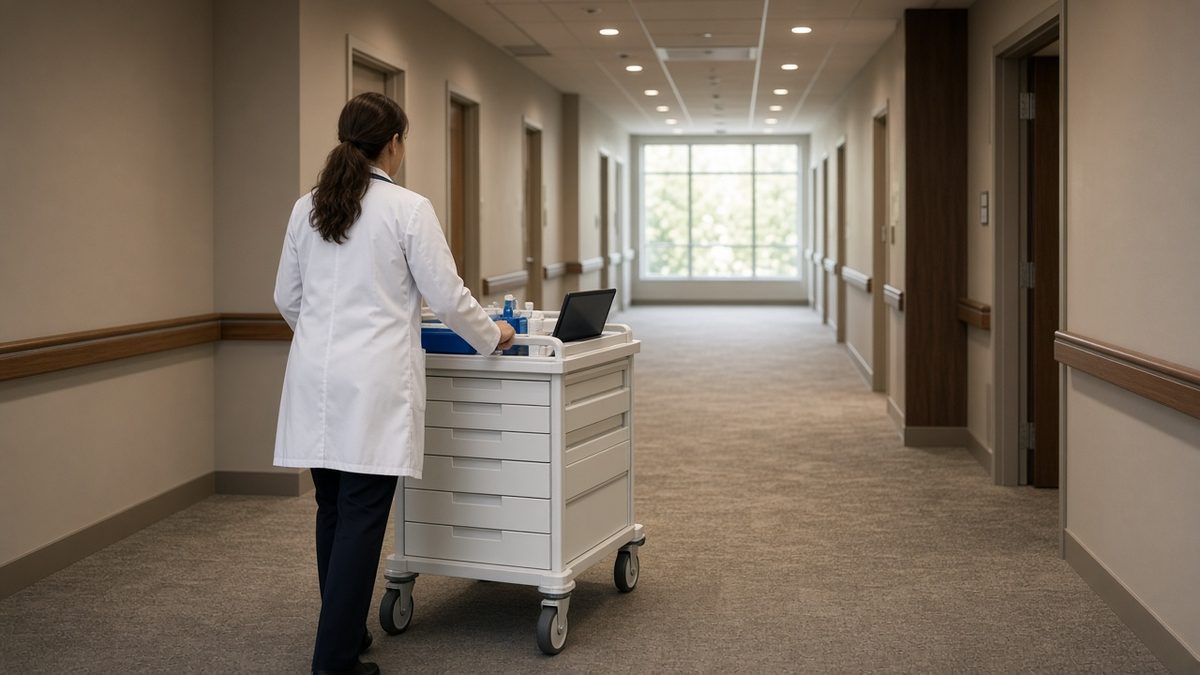
Inpatient alcohol rehab is a program that provides round-the-clock care in a highly structured and supportive environment. The goal of treatment is to achieve long-term sobriety by addressing the physical, psychological, and social aspects of addiction. People receive intensive therapy while living on-site at a residential facility or hospital.
People often need more than outpatient alcohol rehab for their recovery. It may also be recommended for individuals with severe or long-standing addictions.
What Inpatient Alcohol Rehab Means
The phrase inpatient alcohol rehab can cover both hospital and residential settings. The term generally means that a person lives at a facility for some time while receiving 24-hour care. An assessment, typically involving a medical exam, determines if someone needs inpatient treatment or not. It also helps to set the course of treatment. That includes goals and how much time should be spent on each level of care.
ASAM places residential rehab at levels 3.1, 3.5. These programs provide housing and around-the-clock care with a high level of staff monitoring. Levels 3.1 is the lowest intensity; level 3.5 is the highest.
Most residential treatment programs include:
individual and group counseling
family counseling
life skills training
education about addiction
relapse prevention planning
Intensive inpatient is medically directed twenty-four hour services and may manage withdrawal.
Residential treatment is not the same as hospitalization. In most cases, it takes place at a non-hospital residential setting such as a rehab center or therapeutic community. The focus is more on therapy and counseling than medical care.
A hospital-based treatment program for alcohol use disorder has several features in common with that of other chronic medical conditions, such as diabetes. However, the approach is more intensive than typical medical hospital care. The primary goal is to stabilize the person's physical and psychological health and then move on to treatment to prevent relapse.
Who Needs Inpatient Care
In general, residential care is recommended for people with severe substance use disorders who do not benefit from less intensive outpatient services or cannot remain abstinent in an outpatient setting. Residential care is also often used to treat patients who have co-occurring mental health problems and are unable to receive appropriate treatment without supervision. For example, someone with a co-occurring anxiety disorder and alcohol addiction may need detoxification services and medication management before they can participate effectively in intensive outpatient treatment.
People who need inpatient alcohol care often suffer from severe addiction combined with serious health or psychological problems. They may be struggling to quit drinking, or they may have relapsed after a period of abstinence.
Many people benefit greatly from residential treatment because it offers a complete change of environment and an intense focus on their recovery. A person's medical history and other special needs help determine the level of care needed during a stay. The intensity of services offered, such as 24-hour supervision and access to intensive therapy, varies by program.
Hospital Inpatient vs Residential Treatment
Residential rehabilitation in Illinois is ASAM level 3.1 or 3.5 care. It is care where people live at the facility for the duration of treatment and receive intensive therapy during the day.
Hospital inpatient units and residential programs differ widely from each other. Hospital inpatient stays tend to be short. Hospital-based alcohol treatment is highly medicalized. It typically involves a brief period of detoxification, followed by an assessment of the patient's physical and mental health status, often with lab tests. These assessments are intended to determine whether patients have any complicating factors that would need to be addressed before they can begin recovery-oriented care. Patients in hospitals may also receive a variety of therapies, such as group or individual counseling, psychotherapy, or medication. Some hospital units have a "step-down" component that allows patients to move from the more intense medical setting into less intensive residential programs.
Residential treatment programs are located outside of a hospital setting but can still provide intensive, highly structured services. Residential treatment offers a level of structure and community that is not available in other levels of care. Residential treatment may include individual or group therapy as well as educational activities related to addiction.
Hospital inpatient programs offer 24-hour supervised medical care with around-the-clock nursing staff.
Most residential programs provide 24-hour supervision and structure, including daily scheduling and structured recreation or leisure activities. Some residential treatment programs require patients to undergo detoxification, while others allow new patients to enter treatment without having completed an initial period of detoxification.
While both hospital inpatient treatment and residential care are intended to provide intensive, 24-hour care, they differ in terms of duration.
A Typical Day in Inpatient Rehab
In many programs, you will spend your day participating in group therapy sessions or other activities that are planned to help you learn how to live a life without drugs and alcohol.
These might include:
Relapse prevention and coping skills
Education about substance use and recovery
Psychotherapy for related issues (like trauma, anxiety, or depression)
Recovery support meetings
12-step programs
Meditation or other mind-body therapies
You will usually spend part of your day in group therapy and part of it on individual activities. Group sessions might involve activities such as:
Group education
Sharing experiences about addiction recovery
Role-playing
Listening to guest speakers
Learning about the 12-step program
The specifics will vary by treatment center. You should ask your doctor or counselor which activities are available and how often you'll participate in them.
You will also likely have individual sessions with counselors, including your primary therapist. These may include:
One-on-one therapy
Family counseling
Education about substance use disorder, including any co-occurring disorders (like depression)
Individual education classes
During these meetings, you might talk about your triggers and how to overcome them. You will learn skills for coping with cravings and stress in a healthy way, without turning to drugs or alcohol.
Inpatient programs provide a wide range of classes. These courses cover topics like:
Nutrition
Exercise
Stress management
Healthy communication skills
Coping mechanisms for triggers such as anxiety or depression
How Long an Inpatient Stay Lasts
Participation for less than ninety days is frequently of limited effectiveness.
ASAM level placement rests on assessed need, not what people want or insurance covers. The length of time needed to recover from alcohol abuse will depend on several factors including: how severe your addiction is, the amount of support you have at home, whether or not you've had previous treatment experience.
The following are some factors that influence how long someone may need to stay in treatment:
How long the person has been using drugs
Whether there is a co-occurring mental illness or other serious medical issue
How much support the person receives from family and friends
There is no predetermined length of treatment, however, because each individual progresses through recovery at his or her own pace.
Staff continue to reassess medical necessity while a patient remains in care. The duration for any stay will be based on need and progress toward treatment goals. When a patient has completed his or her level of care, the staff will discharge him or her from that program. The patient may then move up or down the continuum depending upon their ongoing needs. Most people will move from more intense services down to less intensive ones, but some may require higher levels of care or return to them for ongoing problems.
Paying for Inpatient Alcohol Rehab in Illinois
Paying for inpatient alcohol rehab in Illinois involves exploring various sources of funding, such as health insurance, government assistance programs like Medicaid or Medicare, private health savings accounts (HSAs), flexible spending accounts (FSAs), and employee assistance programs (EAPs). It's important to research and understand these options to determine which one works best for your unique situation. The cost of treatment can vary widely depending on the specific program chosen and the duration of stay required. Some treatment facilities offer sliding scale payment plans based on income or insurance coverage.
Illinois Medicaid may cover residential and inpatient SUD treatment.
Private insurance companies may also pay for alcohol rehabilitation services. If your policy does cover this treatment option, you need to talk with your insurer about the type of inpatient alcohol rehab programs that are covered.
A number of behavioral health organizations, including residential and outpatient programs have developed sliding fee scales that reduce out-of-pocket costs for services based on the financial ability of clients. Sliding scale fees are not available from all providers.
If you have questions regarding insurance coverage for alcohol rehab programs in Illinois, contact your insurer or an addiction counselor at the facility where you would like to go through treatment.
After Discharge: Stepping Down to Outpatient Care
After leaving inpatient alcohol rehab, continuing treatment is necessary for many people. There is no one-size-fits-all program, but it is important to maintain some form of outpatient therapy, recovery support group meetings, and/or medication-assisted treatment.
Outpatient programs can vary widely depending on the severity of a person's alcohol abuse or dependence, as well as their overall health status. Outpatient care includes:
Support groups: Twelve-step programs like Alcoholics Anonymous (AA) and SMART Recovery include weekly group meetings where people share their experiences with each other. The meetings can be very helpful in terms of motivation and accountability.
Individual therapy: Therapy can be conducted either at the therapist's office or via phone/video chat.
Behavioral therapy: This type of therapy uses a variety of techniques to help patients modify their behavior patterns. For example, cognitive behavioral therapy (CBT) helps people identify negative thought patterns that lead to unhealthy behaviors. Family therapy may also be included in outpatient alcohol rehab programs.
DBHR licensed organizations place people across a spectrum of care levels based on their needs. It is important for patients to stay in treatment for as long as they need to be safe and healthy. After a person completes the required level of residential or outpatient SUD treatment, they can step down into one of several types of aftercare, including:
continued outpatient counseling and support
medication-assisted treatment
recovery housing or a sober living environment
Stepping down after residential care often means moving to an Intensive Outpatient Program or Partial Hospitalization Program.
Intensive outpatient programs provide a higher level of support than regular outpatient treatment but lower intensity than inpatient or residential treatment.
Partial Hospitalization Programs offer an intermediate level of care between residential treatment and outpatient services. PHP provides intensive outpatient services without requiring patients to remain at the facility overnight. They are often used in conjunction with more intensive hospital or residential treatment.
If you are receiving Residential or Partial Hospitalization Services, your provider will help you with the transition to Outpatient Services. You can also contact your DBHR licensed service provider or the Helpline to request placement at the correct level of care.